If you are applying for a Housing Adaptation Grant, one phrase comes up again and again: the Occupational Therapist report. It is the document the whole application is built on, and getting it is the first real step. Here is what it is, why it matters, who arranges it and what it costs, in plain English.
- What it is
- A professional home assessmentof a person’s needs, by an Occupational Therapist
- Why it’s needed
- It defines the worksthe council assesses the grant against it
- Who arranges it
- You or the councilprivate OT, or public through primary care
- What it costs
- Up to €300 reimbursedof a private OT fee, if the grant succeeds
- When you need it
- Before you applyfor most adaptation works
What the OT actually assesses
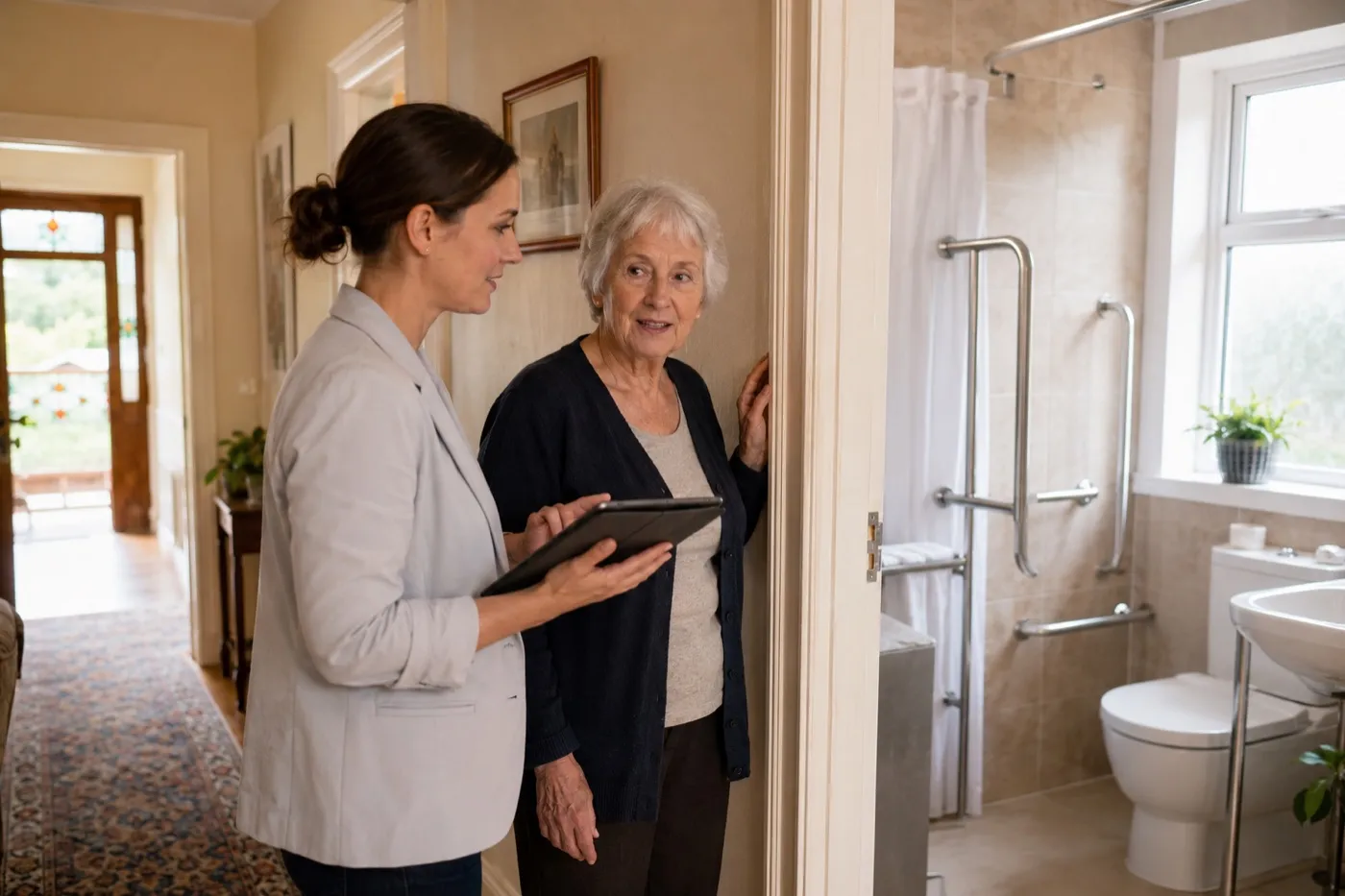
An Occupational Therapist looks at how the person lives in the home day to day, and where the house gets in the way. From that, they recommend specific, practical works.
Access & mobility
How the person moves around the home: stairs, doorways, thresholds and whether a wheelchair or frame can get through.
Bathing & personal care
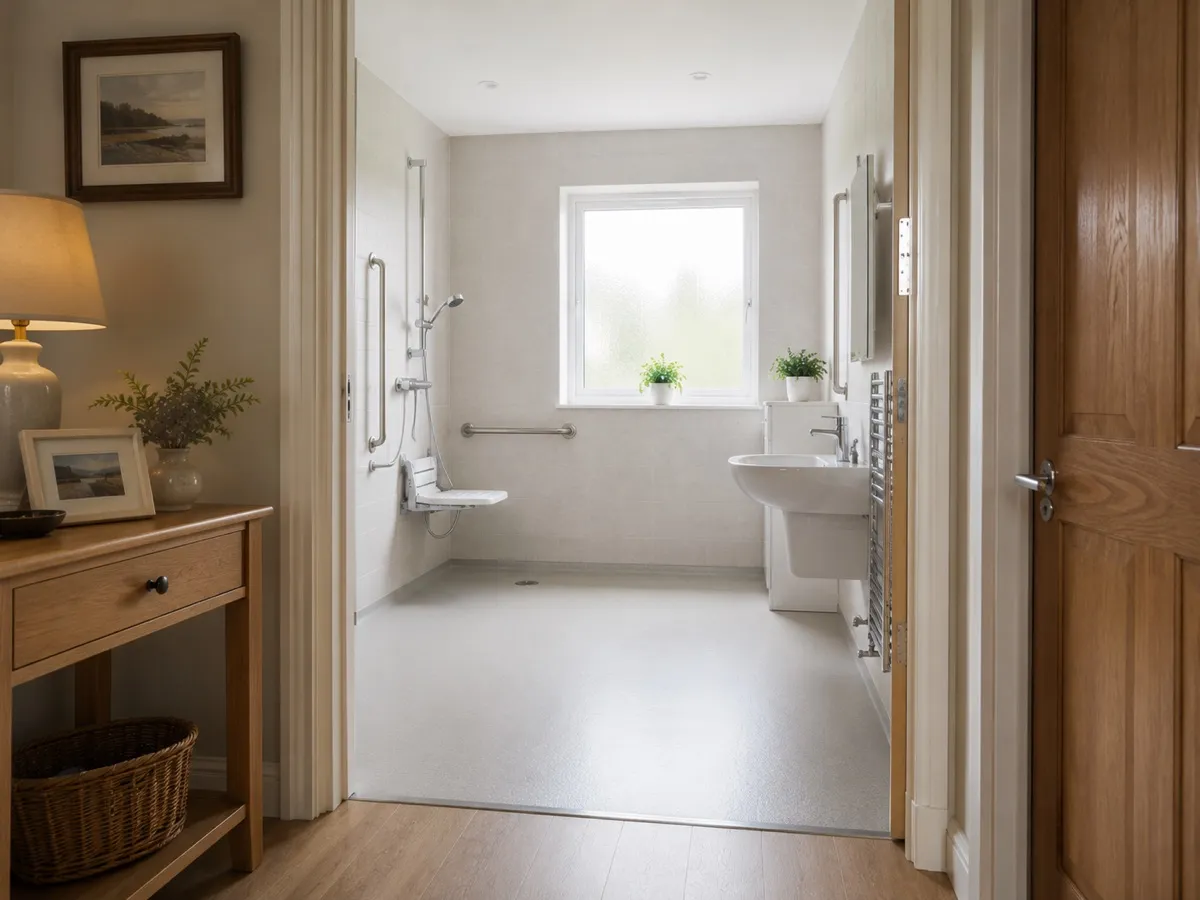
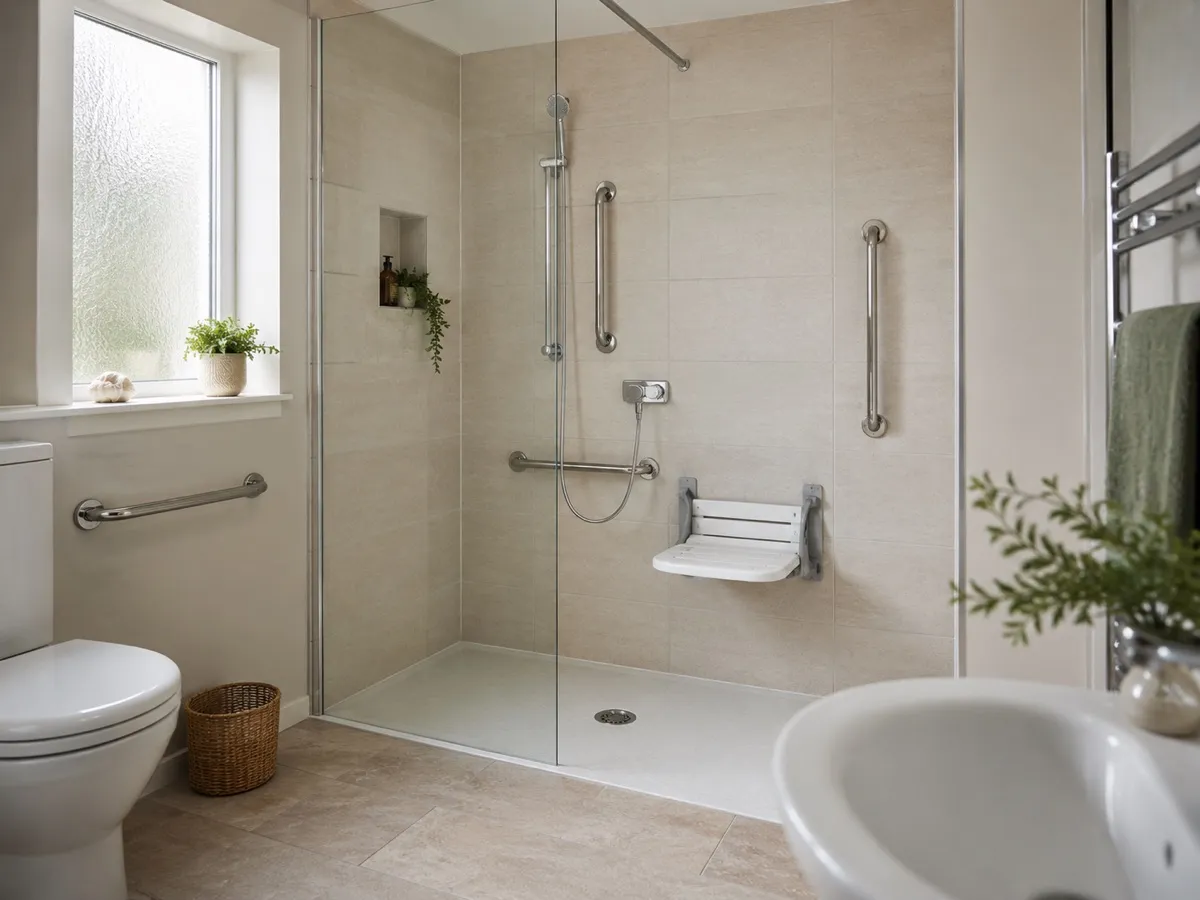
Whether the bathroom works safely, and if a level-access shower or a downstairs bathroom is needed.
Falls & support
Where grab rails, supports or a stairlift would reduce the risk of a fall and keep the home usable.
Changing needs
Whether needs are likely to change, so the works make sense for the years ahead, not just today.
Two ways to get your OT report
You have a choice, and it mostly comes down to speed.
Through your local primary care centre, often via a referral from a public health nurse or GP. It does not cost you directly, but waiting lists vary by area and can be long.
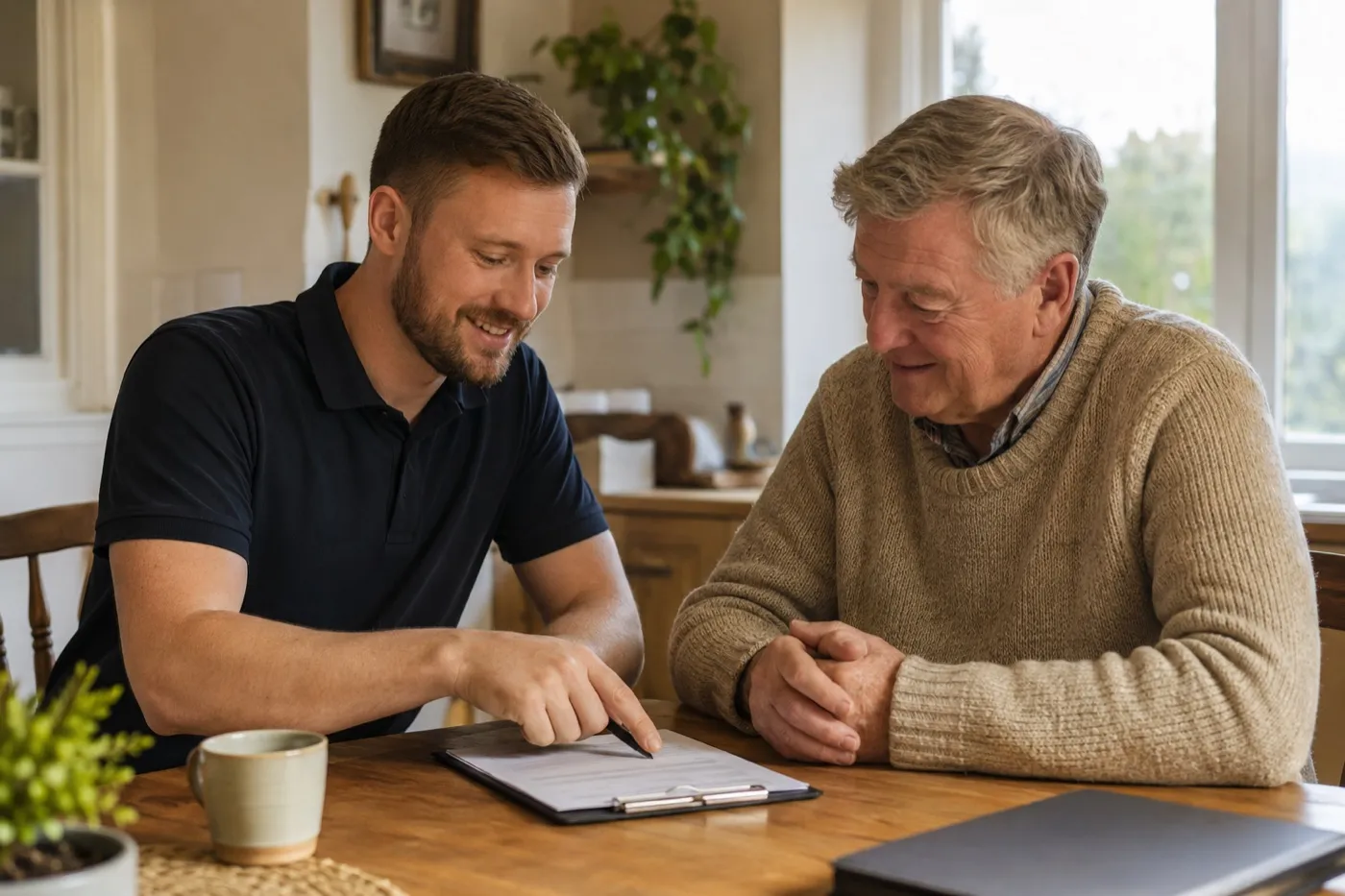
You engage a private Occupational Therapist directly. There is a fee, but it is usually much faster, and if your grant succeeds the council reimburses up to €300 of the cost.
If your need is urgent, a private OT keeps the grant moving. If you can wait, the public route works. We help you arrange whichever suits your situation.
Where the OT report fits in the process
Questions people ask
Do I always need an OT report?
For larger adaptations, almost always. For small Mobility Aids works like grab rails, often not, though a stairlift usually needs an OT recommendation. We confirm what your local authority requires for your specific works.
Can the council arrange the OT for me?
Yes. If you have not been assessed, the local authority can arrange an assessment after your application. The trade-off is that it depends on local waiting lists.
Is the €300 automatic?
It is reimbursed as part of a successful grant, towards the cost of a private OT report. It is not paid separately in advance, so keep your receipt for the claim.
What if the OT recommends more than I expected?
The report reflects genuine need, and the grant is designed to fund the recommended works up to the maximum for your income band. We help you understand what it means for your application.
The bottom line
The Occupational Therapist report is not red tape for its own sake: it is the professional judgement that links real needs to real works, and it is the foundation of a Housing Adaptation Grant. Get it early, keep it and the quotes aligned, and the rest of the application follows smoothly.
Ballyhome coordinates the OT report and handles the full grant application for homeowners in Cork and across Munster, free of charge. See the Housing Adaptation Grant guide for the works and amounts, and how to apply step by step for the full process.