A BER (Building Energy Rating) is the energy label for your home. Think of it like the efficiency sticker on a fridge or a new car, but for a house. It tells you, on a simple A to G scale, how energy-efficient the building is, and it has real consequences for your bills, your grants, your mortgage rate and whether you can sell or rent. This is the complete plain-English guide: how the scale works, what actually decides your rating, what each band feels like to live in, and how to move yours up.
- What it is
- Your home’s energy labelcalculated, certified, on an A to G scale
- The unit behind it
- kWh/m²/yrenergy needed per square metre per year
- When it’s required
- Selling, renting & grantsand shown on every property ad
- Valid for
- Up to 10 yearsunless the building changes significantly
- The grant target
- B2minimum post-works BER for the One Stop Shop
How the BER scale works
BER runs from A1 (most efficient) down to G (least efficient). The rating reflects the calculated energy use for space heating, hot water, ventilation and lighting, expressed in kilowatt-hours per square metre per year (kWh/m²/yr). It measures the building, not the people in it: a certified assessor feeds your home’s construction, insulation, heating and ventilation into SEAI’s DEAP software, and the number that comes out maps to a band. The lower the number, the better the band:
| Band | Energy use (kWh/m²/yr) | In plain terms |
|---|---|---|
| A | up to 75 | New or deeply retrofitted, very low bills |
| B | 75–150 | Efficient and comfortable |
| C | 150–225 | Moderate, room to improve |
| D | 225–300 | Below average, noticeable heat loss |
| E | 300–380 | Poor, cold and costly |
| F | 380–450 | Very poor |
| G | over 450 | Least efficient |
What actually decides your rating
Four things dominate the calculation, and they are the same four things a good upgrade plan works through in order:
The fabric
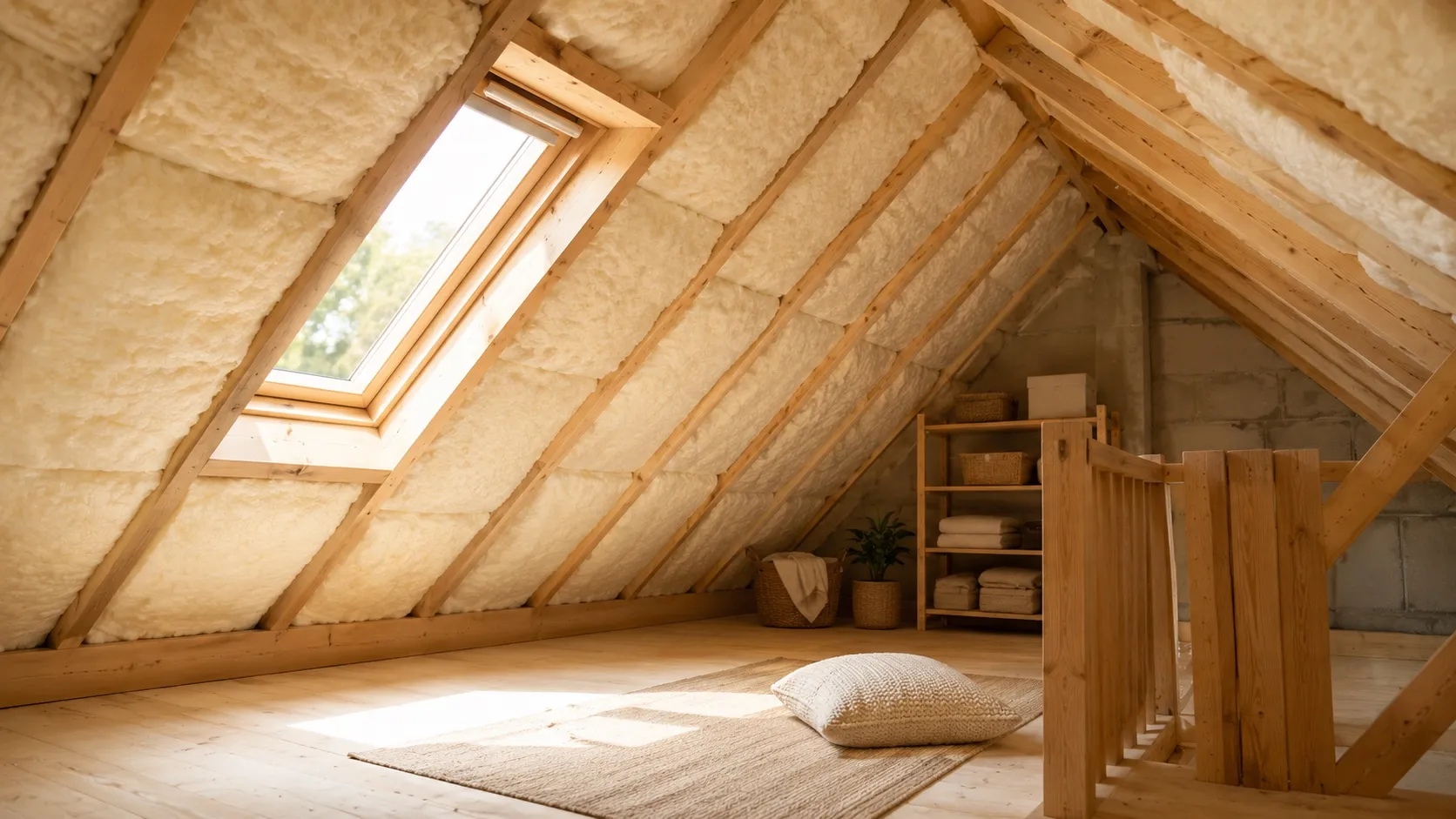
Insulation in the attic, walls and floors, plus windows and airtightness. This is the biggest lever by far: a leaky envelope caps how good your BER can ever be.
The heating system
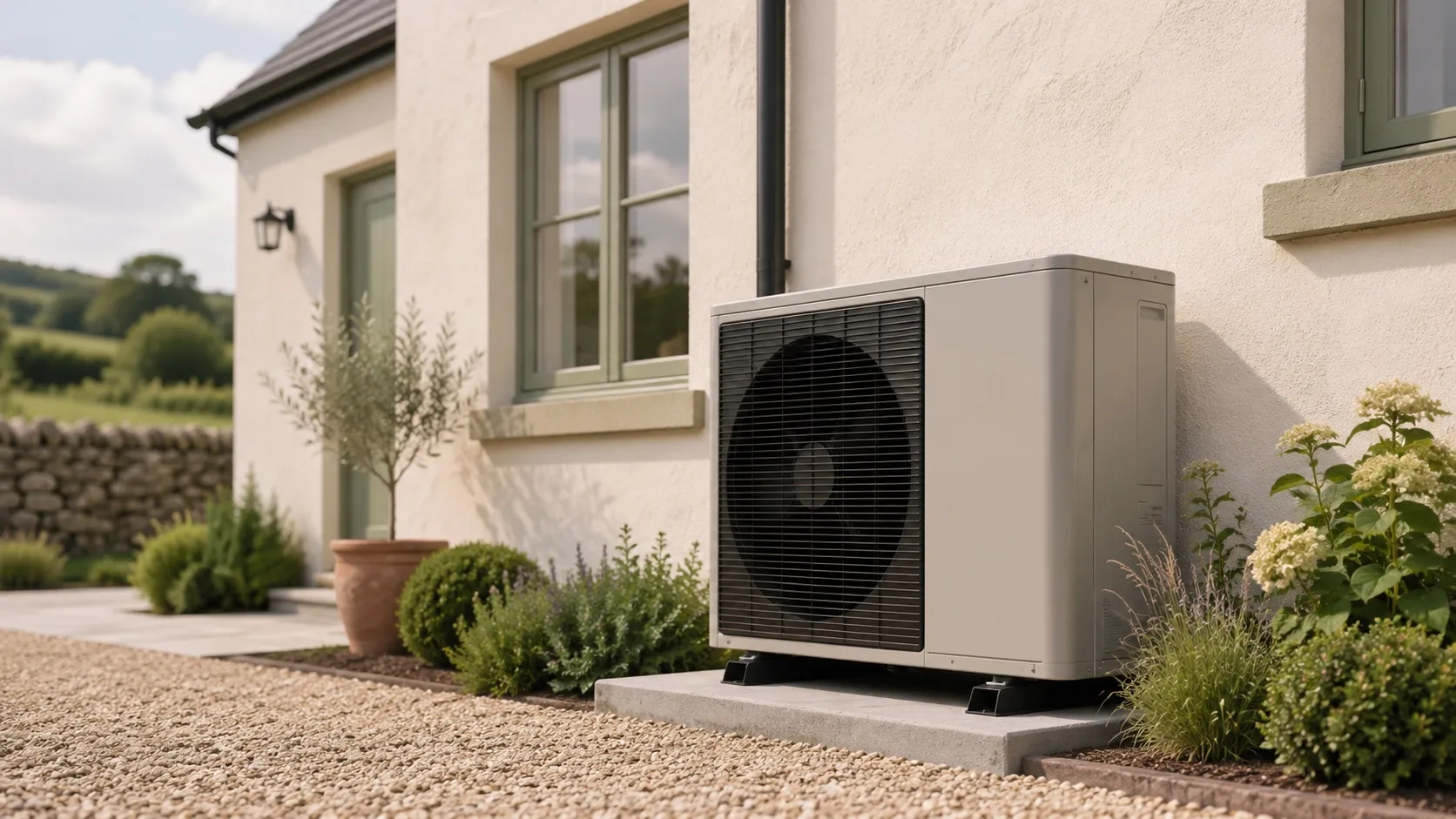
What makes the heat and how efficiently. An old boiler drags the rating down; a heat pump in a warm house lifts it dramatically.
Hot water & controls
How water is heated and stored, and whether heating is zoned and controlled. Cheap fixes here move real points.
Renewables
Solar PV and similar generation offset the energy the home draws in, pushing the number down further once the fabric is right.
That order is why the advice on every page of this blog is the same: fabric first, then heating, then renewables. It is also how the DEAP maths itself rewards you.
What each band feels like to live in
The scale becomes real when you translate it into winters and bills:
Warm within minutes, holds its heat for hours, no cold rooms, and modest bills even in January. This is where new builds start and where deep retrofits land, and it is the B2 threshold that unlocks the One Stop Shop route.
Livable and moderate: the heating works but runs long hours, and there is a cold room or two. A C home usually has one or two obvious upgrades waiting, often the attic top-up and one wall measure.
The heating fights the building. Rooms cool quickly, bills sting, and condensation finds the cold corners. This is where most of the pre-1990 stock sits, and where upgrades make their most dramatic difference.
Hard to heat at any price: heat leaves as fast as it is made. The upside is real: these homes see the biggest transformations, and the grants are structured to make the jump achievable.
The running-cost gap between bands is not subtle. Because the rating measures exactly the energy the home needs, your heating bill tracks your band: a D home can need twice the energy of a B home of the same size, every year, forever.
Why your BER matters
- Running costs. A better BER means lower heating bills, often dramatically lower, and the saving repeats every year.
- Selling or renting. A valid BER is legally required to sell or let a home, it must appear in the ads, and buyers and tenants filter by it.
- Green mortgages. Several lenders price mortgages cheaper for homes rated around B3 or better, which turns the rating directly into interest saved.
- Grants. A post-works BER releases your SEAI grant, and the One Stop Shop route requires reaching at least B2.
- Comfort and health. Higher ratings mean fewer cold spots, less condensation risk and steadier temperatures in every room.
How to improve your BER
The biggest gains almost always come from the building fabric first, in this order:
- Insulation: attic first, then walls (external, cavity or internal), then floors. This is where most homes lose heat, and every measure has its cost and grant mapped here.
- Airtightness and draughts: sealing gaps stops warm air escaping, including the open flue of an unused chimney.
- Heating upgrade: once the home holds heat, an efficient system like a heat pump performs at its best.
- Renewables: solar PV further cuts the energy you buy in.
Doing these in the right order matters: insulate before you heat. A heat pump in a leaky, un-insulated home will disappoint, and the DEAP calculation will say so.
What a fabric-first upgrade does to your band
Moving from an E or D up to a B is a common outcome of a proper upgrade, and it is exactly the jump the SEAI grants are structured to support.
What happens at a BER assessment
The assessor’s visit is short and practical: they measure the home, note the construction and insulation levels, record the heating and hot water systems, windows, ventilation and any renewables, and photograph the evidence. The data goes into DEAP, the certificate comes back with your band and your advisory report, a list of the improvements that would move your rating most. If you are planning works rather than certifying them, start instead with a free home energy assessment: it is the planning version of the same walk-through, and we arrange the formal BER when a grant needs it.
BER myths, corrected
A BER measures how I use energy.
No. It measures the building under standard assumptions, so two identical houses get the same rating no matter how the occupants live. That is deliberate: it lets buyers compare homes fairly.
An old house can never get a good BER.
Old solid-wall homes reach B ratings regularly through deep retrofit: external insulation, airtightness, an efficient heating system. Age sets the starting point, not the ceiling.
A BER is just paperwork for selling.
The certificate also gates your grant payments, can cut your mortgage rate, and its advisory report is effectively a free upgrade plan. It is the most useful document most homeowners never read.
Improving the BER means replacing the windows.
Windows help, but they are rarely the first move. The attic and walls lose far more heat per euro of work, which is why the fabric-first order starts there and leaves glazing for later.
The bottom line
Your BER is the single clearest measure of how efficient, warm and cheap-to-run your home is, and it is what grants, buyers, tenants and even mortgage lenders look at. The rating is decided by fabric, heating, hot water and renewables, in that order of weight, so the fastest way to move it up a band is a fabric-first upgrade: insulate, seal, then heat.
Want to know your current rating and the fastest way to move it up? Book a free assessment and read our complete guide to SEAI grants to see what is funded.