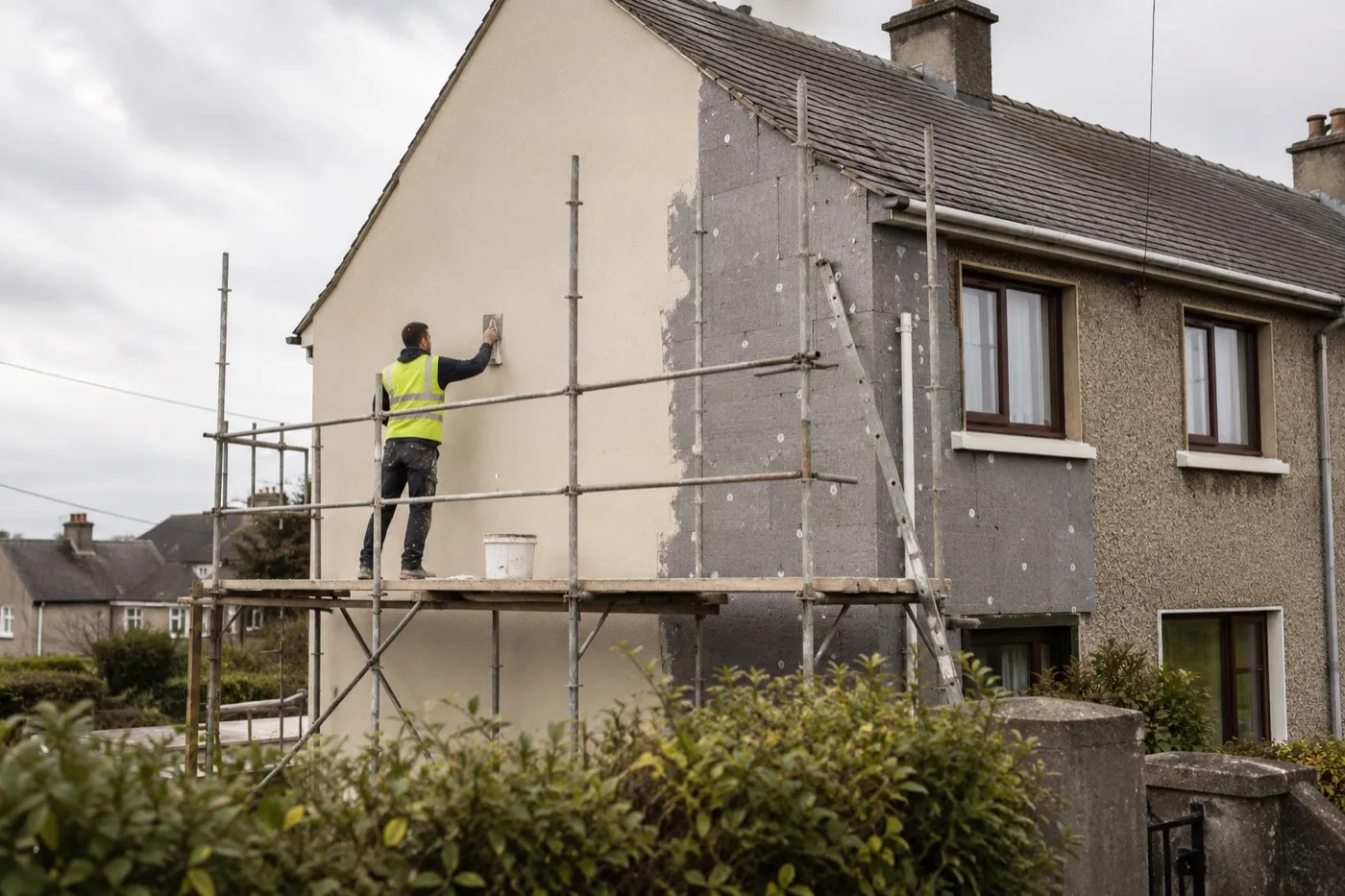
It is the question we hear at almost every assessment: “will insulation cause damp?” Someone knows someone whose walls went mouldy after an upgrade, and the fear is real. So here is the honest answer: properly designed and installed insulation prevents damp rather than causing it, and the horror stories share one cause that has nothing to do with insulation itself. This guide explains how moisture actually behaves in an Irish home, where jobs go wrong, and how to make sure yours goes right.
How damp actually happens
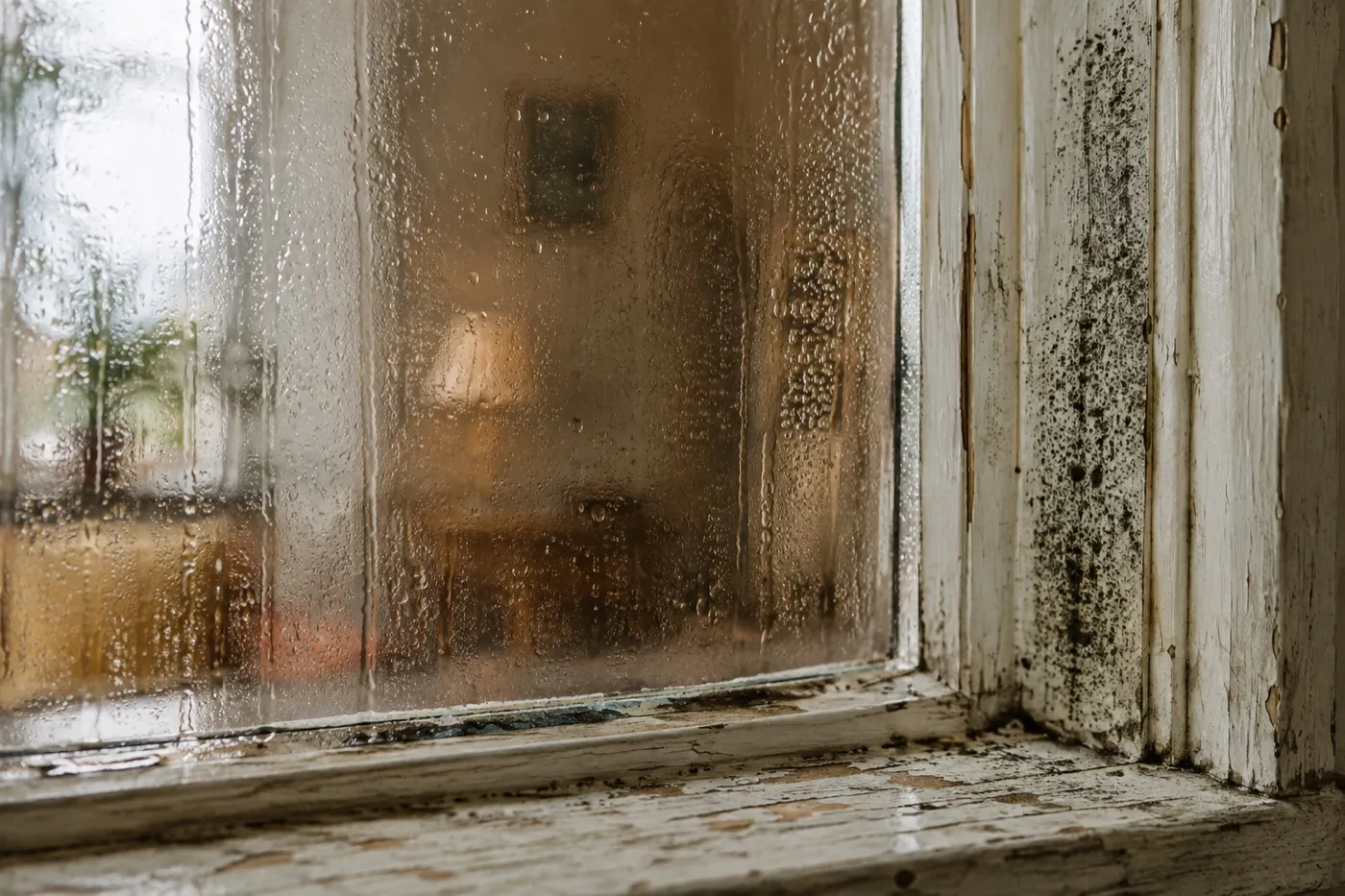
Every home makes moisture: cooking, showers, drying clothes, even breathing put litres of water into the air each day. That moisture is harmless while it stays in the air. It becomes damp the moment it touches a surface cold enough to make it condense, which is why mould grows on cold outside walls, around windows and in corners, and never on the warm wall beside the radiator.
Cold surfaces are the trigger. And what does insulation do? It keeps surfaces warm.
Know your enemy: the three kinds of damp
By far the most common damp in Irish homes. Moist indoor air condenses on cold surfaces: outside walls, window reveals, corners and behind furniture. This is the one insulation directly fights, by keeping surfaces warm.
Ground moisture rising up through walls, usually showing as a tide mark on the bottom metre. A building repair, not a ventilation issue, and it must be fixed before insulating, never covered up.
Water getting in from outside: a leaking gutter, cracked render, failed pointing or a roof issue. Also a repair-first problem. Insulating over an active leak traps water where it can do real harm.
Where bad jobs actually go wrong
The mouldy-house stories are real, but insulation is the innocent party. These are the actual failure modes, and every one of them is avoidable.
Ventilation blocked or ignored
The number one cause. Sealing a house tighter without a ventilation plan sends humidity climbing until it finds a cold spot. Vents, extractor fans and background airflow are part of the job.
Cold bridges left in place
Un-insulated reveals, junctions and floor edges stay cold while everything around them warms up, so condensation concentrates there. Detailing the junctions is what separates good installers.
Wrong method for the wall
Solid walls, cavity walls and older stone walls each need the right approach. Forcing the wrong method onto a wall type creates problems a correct spec never would.
Insulating over an active problem
A leak or rising damp covered with insulation does not go away. It festers. Repairs come first, insulation second, always in that order.
Done right, insulation makes a home drier
Here is the part the horror stories miss: a correctly insulated and ventilated home is drier than the cold house it replaced. Warm wall surfaces stay above the dew point, so condensation has nowhere to form. Deliberate ventilation carries moisture out instead of letting it drift to the coldest corner. The result is the combination every Irish home wants: warm, dry air, no mould, and heating bills that finally make sense.
That is why the answer to damp worries is not to avoid insulating. It is to insulate properly: the right method for your walls, junctions detailed, ventilation designed in. Our guides to external wall insulation, internal wall insulation and cavity wall insulation cover what correct looks like for each method.
Worries, answered straight
My friend insulated and got mould. Why?
Almost certainly ventilation. If a house is sealed tighter and the vents are blocked or missing, humidity rises until it condenses on the remaining cold spots. The insulation did its job; the ventilation plan never existed. It is fixable, and avoidable from day one.
Should I block my wall vents to keep heat in?
No. Those vents are what carry moisture out of the house. A good insulation job cuts heat loss through the fabric so effectively that the small amount of air exchange through vents is cheap to heat, and it keeps the house dry.
Is external or internal insulation safer for damp?
External insulation is the most forgiving for solid walls, because it keeps the entire wall warm and dry. Internal insulation performs well too but demands the most careful detailing at junctions. Both are safe when specified and installed correctly for the wall type.
How do I know a contractor will do it right?
Ask how they handle ventilation, reveals and junctions, and whether they survey for existing damp before quoting. An SEAI-registered contractor working to the standards, with photos of their detailing, is what you are looking for. That is exactly how we work.
The bottom line
Insulation does not cause damp. Cold surfaces, blocked ventilation and unfixed leaks cause damp, and a proper insulation job removes the first while designing for the second and checking for the third. Done right, you get the warm and dry home, plus a better BER and grant support through a complete home insulation plan.
If you are in Cork or anywhere in Munster and damp worries are holding you back, book a free assessment. We survey for existing moisture first, spec the right method for your walls, and put ventilation in the plan from the start.