You want a warmer house, the budget only stretches so far, and everyone has an opinion. So here is the straight answer: insulate the attic first, then the walls. It is the order the physics, the prices and the grants all agree on. This guide shows the numbers behind that rule, how to pick your wall method when the time comes, and the few cases where the order flips.
Why the attic wins the first move
The walls lose more heat overall, so why start at the top? Because the decision is not about where the most heat escapes. It is about warmth per euro, and nothing touches the attic on that measure.
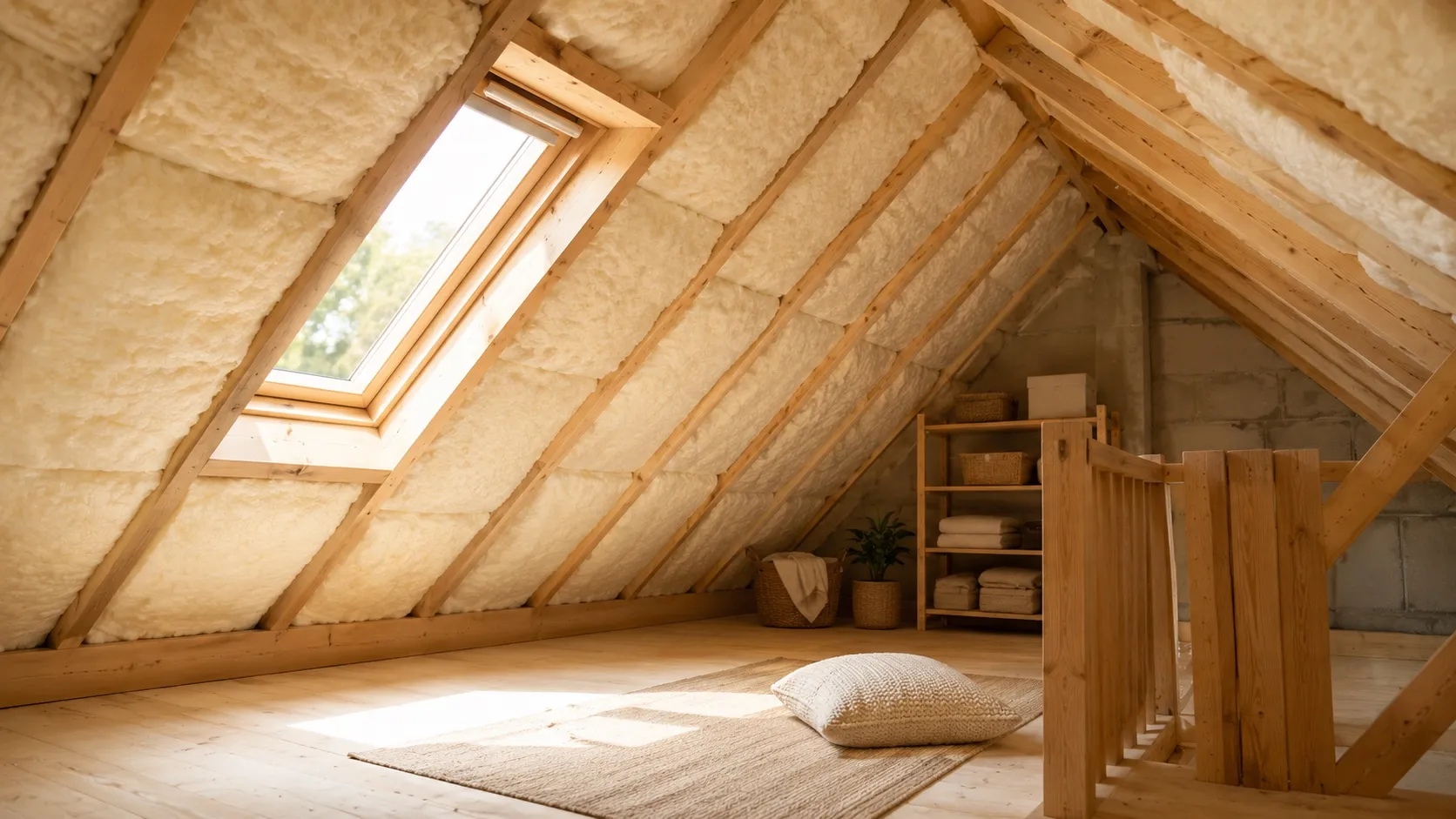
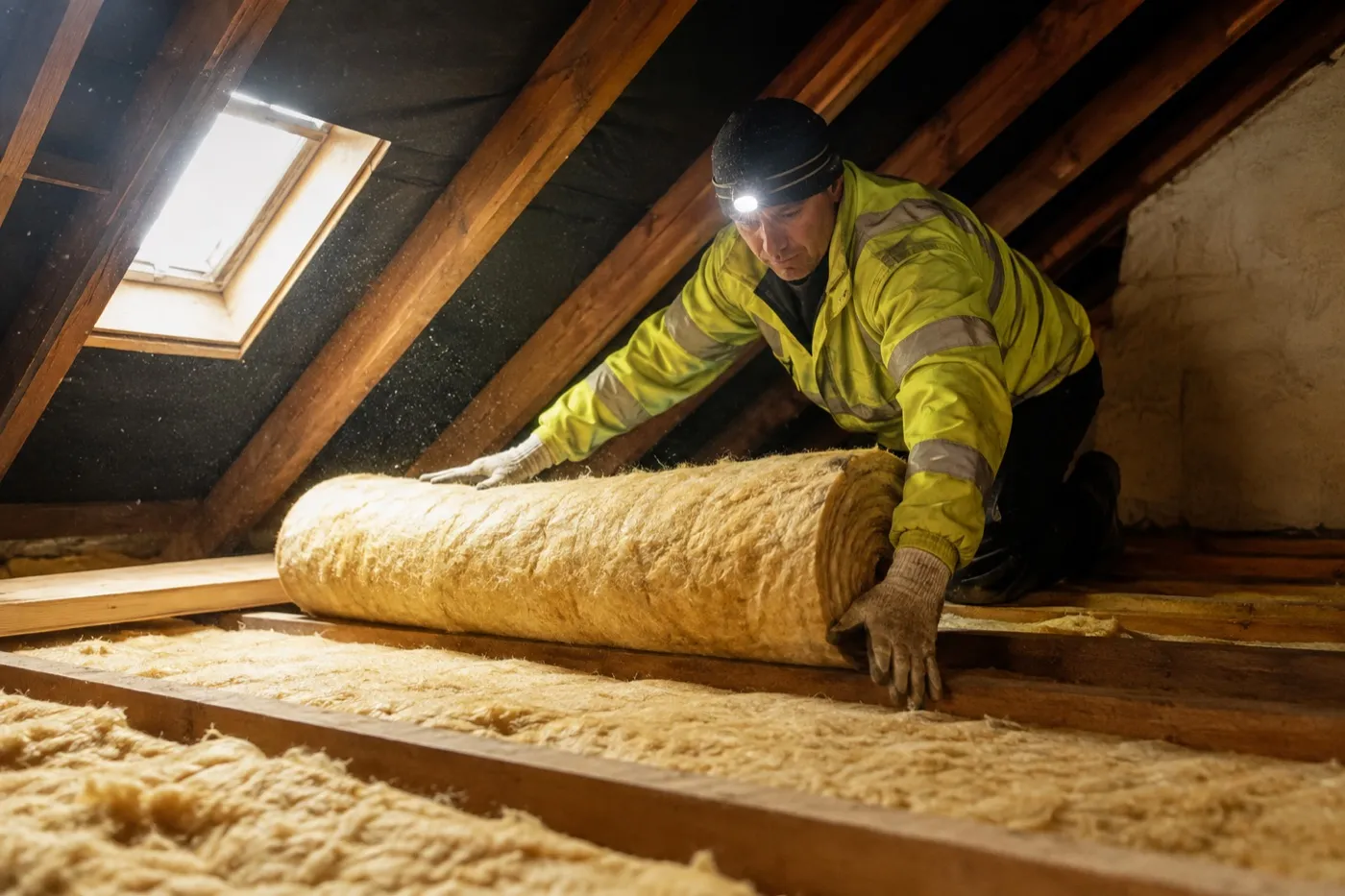
Attic insulation is done in a morning, nobody has to move furniture, there is no scaffolding, and the grant covers most of it. Wall insulation is the bigger prize, but it is also the bigger project. Starting with the attic means you feel the difference this winter while you plan the walls properly.
Head to head: what each move gets you
| Atticstart here | Walls | |
|---|---|---|
| Share of heat loss | ~25% through the roof | ~35% through the walls |
| Typical cost | The cheapest measure | From moderate (cavity) to major (external) |
| SEAI grant | Up to €2,500 | €1,500 to €8,000 by method |
| Disruption | A few hours, no scaffolding | From a day (cavity) to weeks (external) |
| Payback | Typically a couple of years | Longer, but transforms the home |
When the walls jump the queue
The attic-first rule has exceptions, and they are worth knowing:
- Your attic is already done. If there is a reasonable depth of insulation up there, topping it up is still cheap, but the walls are now your biggest loss and the real prize.
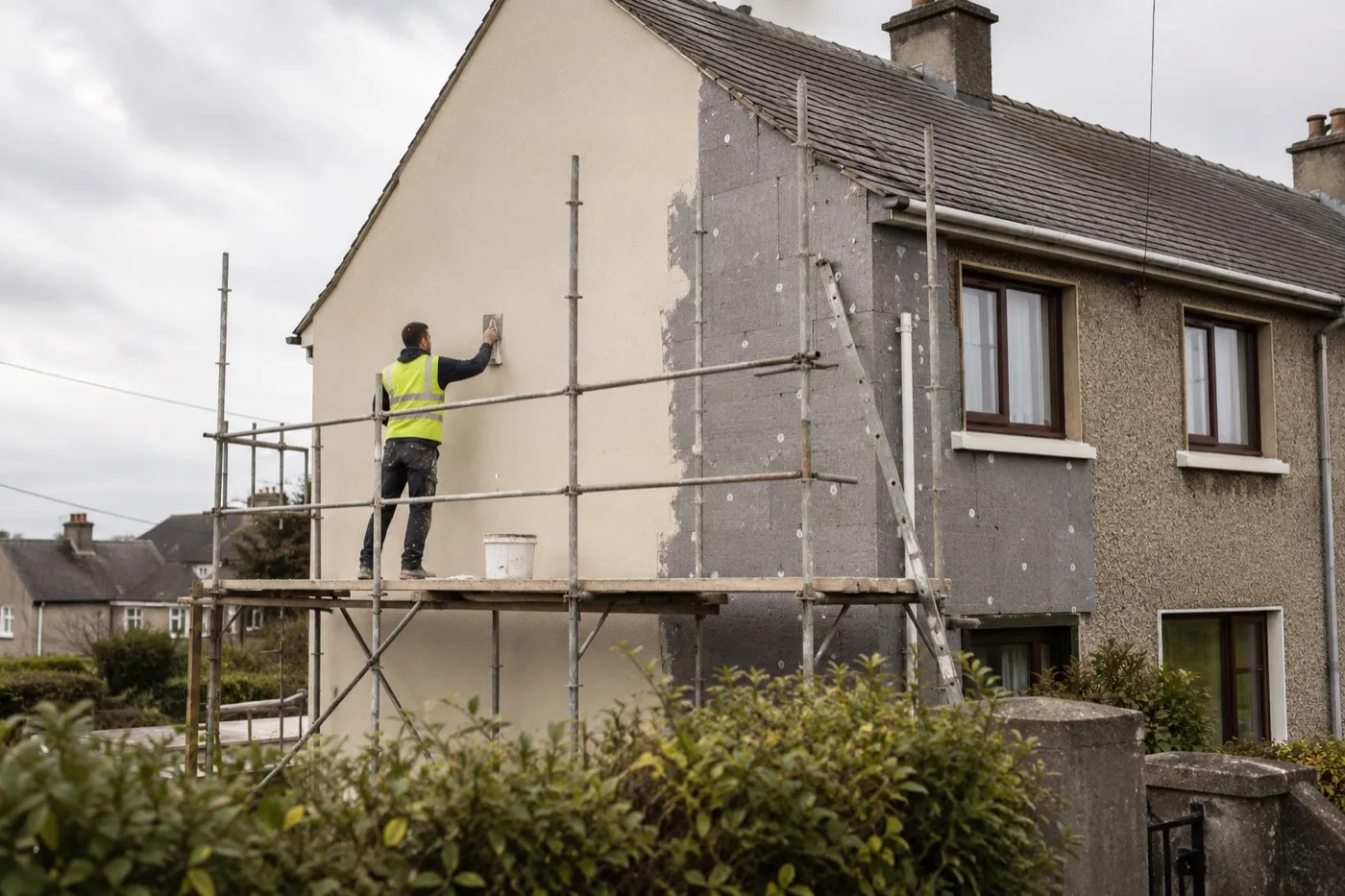
- You are renovating anyway. If scaffolding is going up for reroofing or render repairs, doing external wall insulation at the same time saves serious money.
- Damp or cold rooms are the complaint. Cold, mould-prone outside walls are a wall problem, and insulating them warms the surfaces where condensation forms.
Which wall method is yours?
When the walls’ turn comes, the house decides the method, not the brochure. Tick what matches your home:
The deep dives: cavity wall insulation, external wall insulation and internal wall insulation.
Questions people ask
Is it worth topping up old, thin attic insulation?
Almost always yes. Standards have risen a lot, and going from a few centimetres to the current depth is cheap, grant-supported and quick. It is the same best-value logic as insulating an empty attic.
Should I wait and do everything together?
If the budget allows, one planned whole-home job is the most efficient route. If not, phasing in the right order gets the same warm home over time, and the attic delivers the fastest relief on bills.
What about the windows?
Windows matter, but they usually lose less heat than an un-insulated attic or walls and cost more to replace. Fabric first: attic, then walls, then look at glazing and heating.
How do I know how much heat my home actually loses?
Your BER report breaks down how your home performs, and a free assessment looks at the real building: attic depth, wall type, draughts. That turns the general rule into your specific plan.
The bottom line
Attic first, walls second, and the method for the walls comes from how your house is built. More than half of an un-insulated home’s heat escapes through those two surfaces, both are grant-supported, and doing them in the right order means every euro works as hard as possible. That is the whole strategy, and it lifts your BER and cuts your heating bill for the life of the house.
If you are in Cork or anywhere in Munster, book a free home energy assessment and we will tell you exactly where your home should start.